
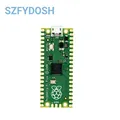
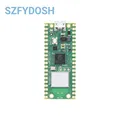
Raspberry Pi Pico and Pico W Microcontroller Development Boards
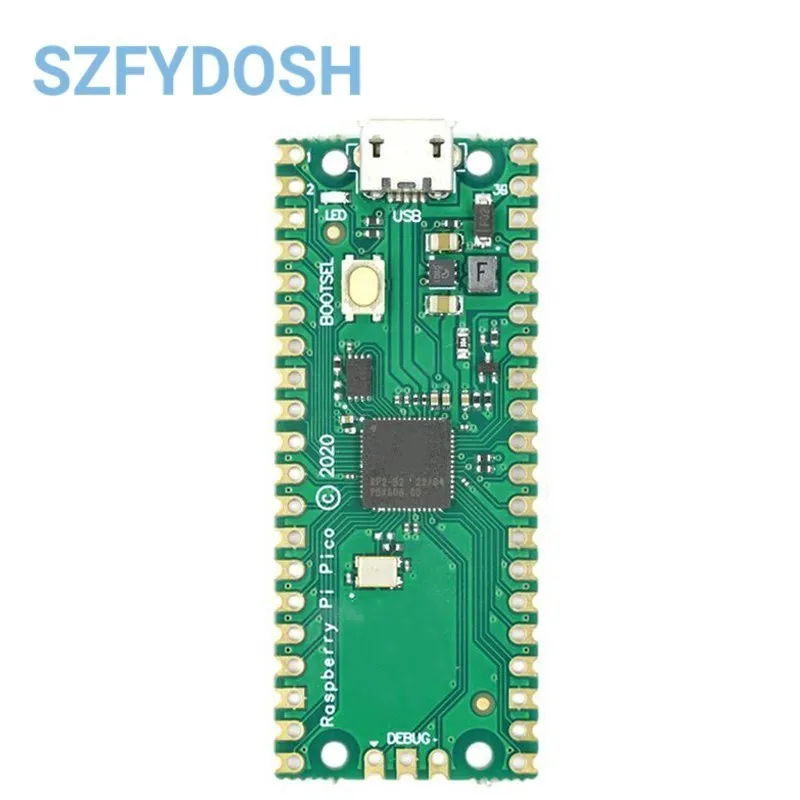
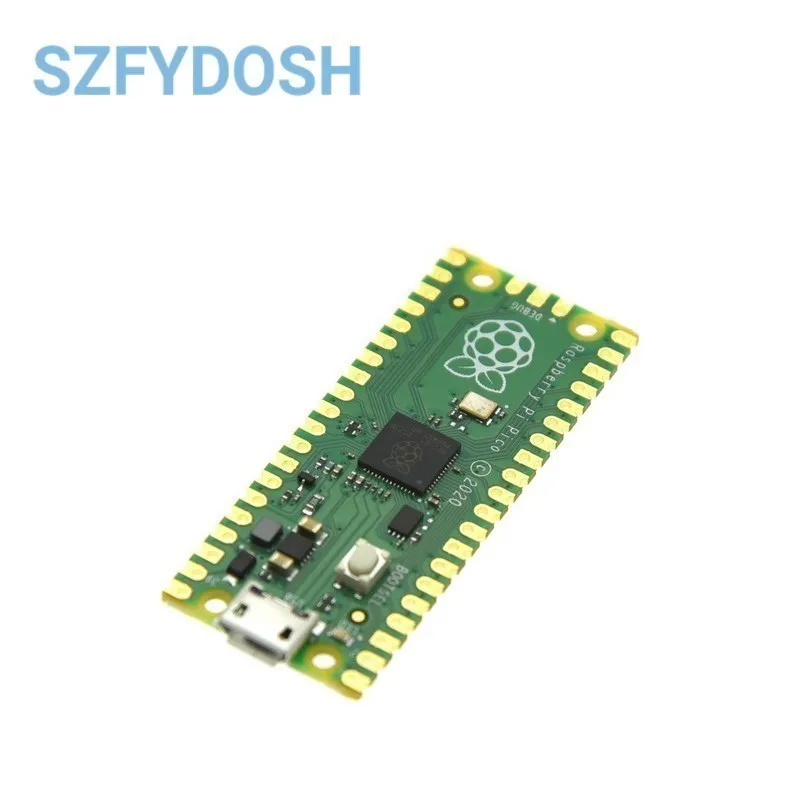
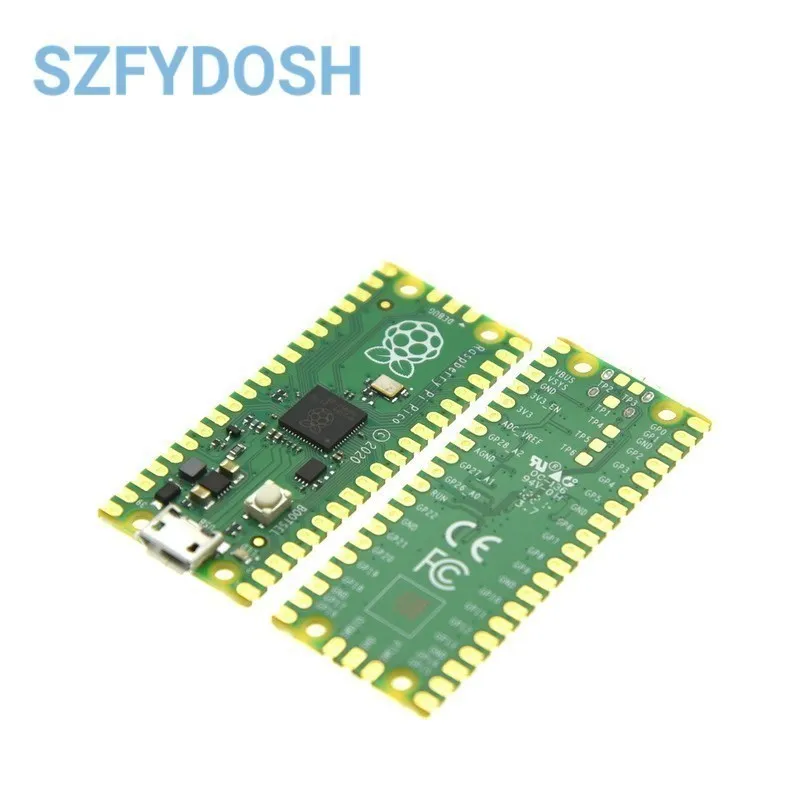
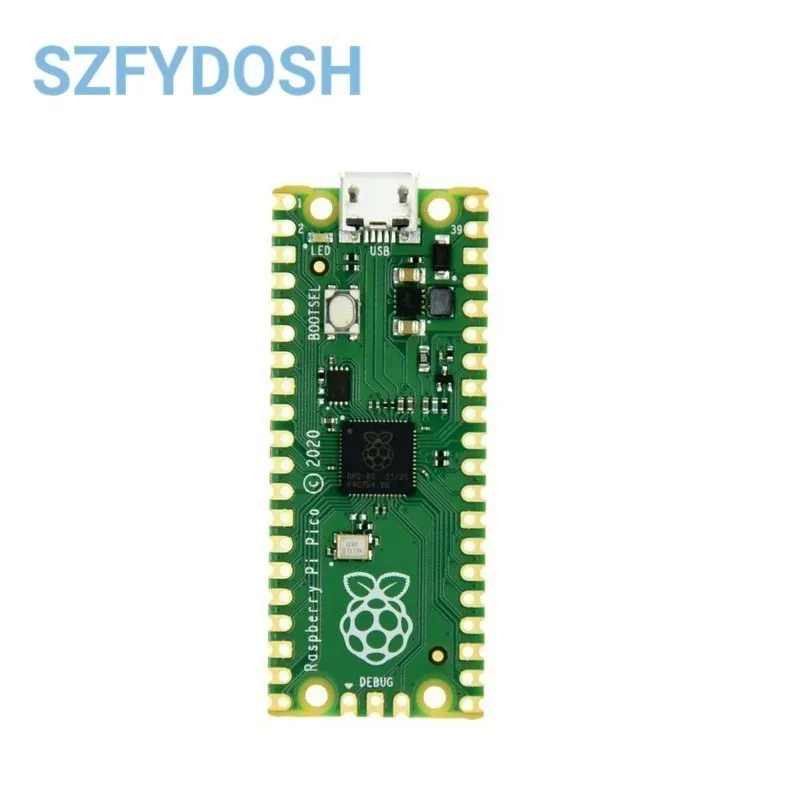
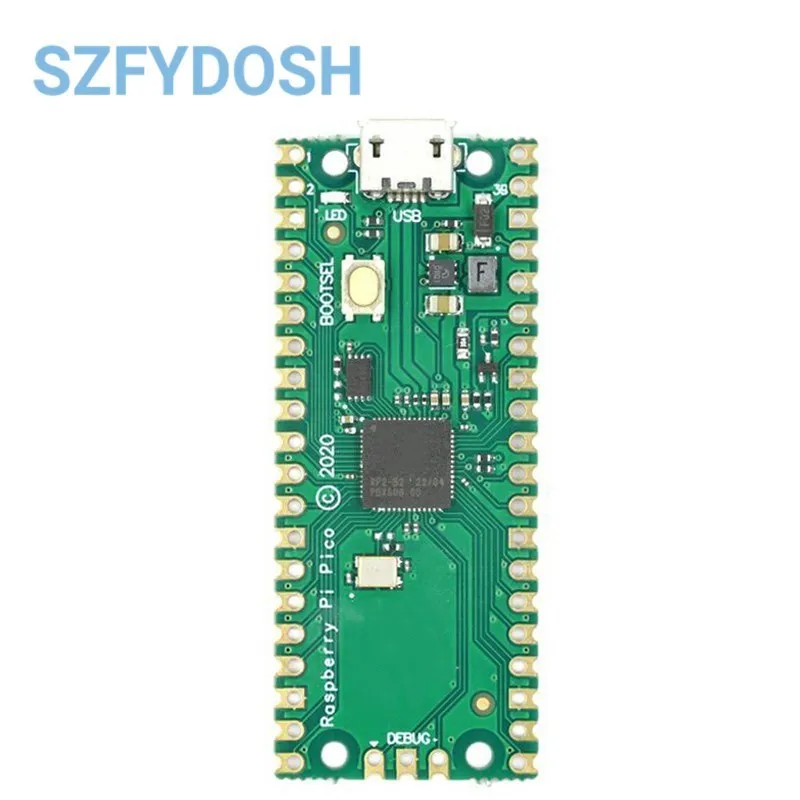
🏆 The Raspberry Pi Pico is an innovative microcontroller board that features the powerful Raspberry Pi RP2040 microcontroller chip. Engineered to deliver exceptional performance at a low cost, the Pico is distinguished by its dual ARM Cortex-M0+ cores, capable of running at speeds of up to 133MHz. This microcontroller is equipped with impressive specifications, including 256KB of RAM, 30 GPIO pins, and a versatile set of interfacing options. Additionally, with 2MB of onboard QSPI Flash memory, it provides ample space for code and data storage, making it an ideal choice for a variety of embedded projects.
⚡ One of the standout features of the Pico is its rich software development ecosystem. It supports both the Raspberry Pi official C/C++ SDK and the MicroPython SDK, ensuring that developers have access to comprehensive resources and community support. For newcomers, the official getting started guide offers a seamless introduction to harnessing the Pico's capabilities.
🧩 Designed with versatility in mind, the Pico can be configured with soldered 0.1" pin-headers or utilized as a surface-mountable module. It incorporates castellated edges for easy soldering to custom carrier boards. Furthermore, the board features SMT pads underneath the USB connector and BOOTSEL button, enabling access to critical signals for reflow soldering.
Specifications:
💥 Raspberry Pi Pico W: Enhanced Wireless Capabilities
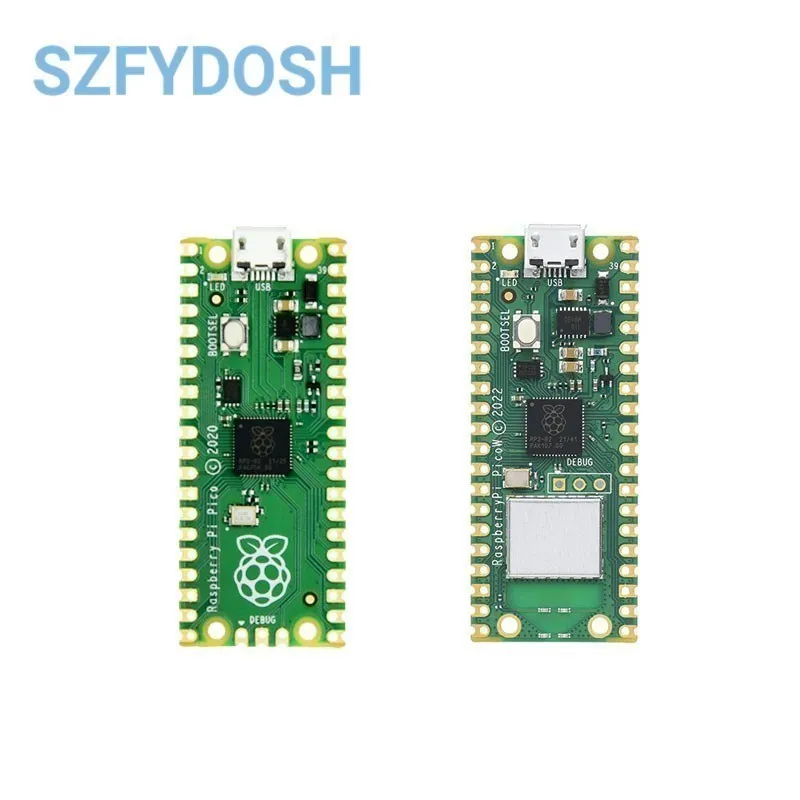
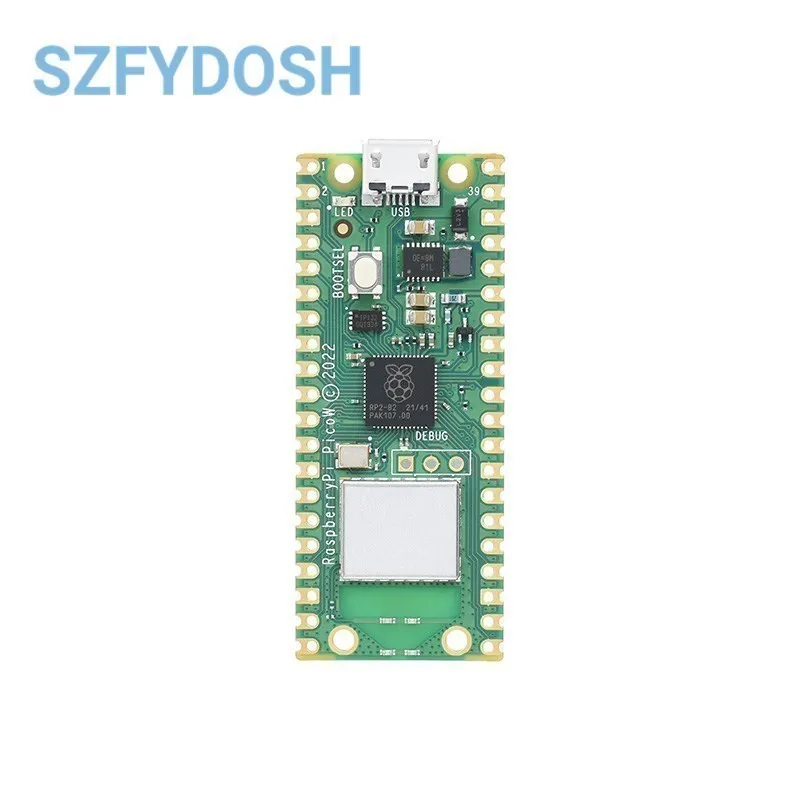
⚡ The Raspberry Pi Pico W builds upon the foundational features of the Pico by introducing wireless communication capabilities. It incorporates the Infineon CYW43439 wireless chip, providing support for Wi-Fi 4 networks and enabling effortless wireless control and data transmission. This additional functionality significantly enhances the scope of projects that developers can undertake.
🧩 With the same powerful RP2040 microcontroller chip, the Pico W retains its dual-core ARM Cortex-M0+ processor, clocking up to 133MHz, along with its substantial memory configurations of 264KB SRAM and 2MB Flash. The board's design includes a stamp hole format for easy integration into custom designs, alongside full USB 1.1 support for efficient connectivity.
📶 The Pico W continues the legacy of low-power operation with sleep and hibernation modes while maintaining user-friendly programming via USB. With expanded GPIO options and a suite of features similar to the original Pico, the Pico W empowers creators to easily incorporate wireless capabilities into their projects, fostering innovation and creativity in the embedded systems space.
⚡ In summary, both the Raspberry Pi Pico and Pico W offer robust microcontroller solutions, combining advanced hardware with extensive software support, catering to hobbyists and professionals alike in the pursuit of building smart and interconnected projects.