Product Overview:
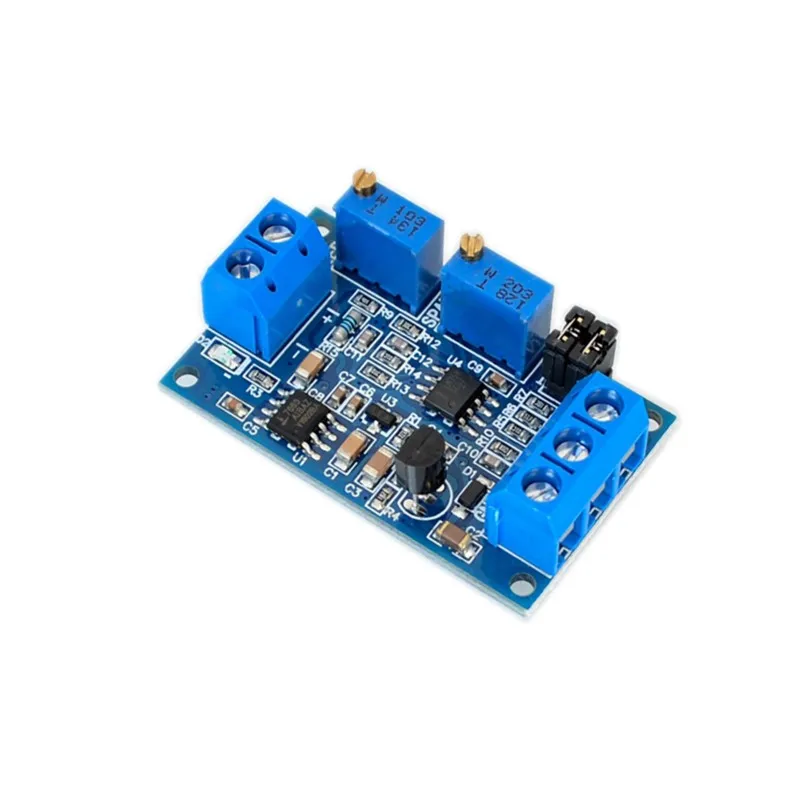
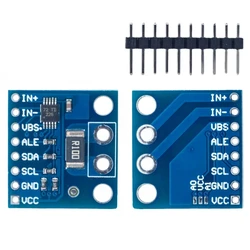
💍 The Current to Voltage Module is an essential tool for efficiently converting current signals into corresponding voltage outputs for various applications. Specifically designed to handle either 0-20mA or 4-20mA current input, it provides a flexible voltage output range of 0-3.3V, 0-5V, or 0-10V, making it suitable for a wide array of projects. This module is particularly useful in scenarios where signal transmission over long distances may lead to attenuation of the voltage signal, thereby ensuring reliability and accuracy in data conversion and detection.
🔧 Key Features:
- Versatile Power Supply: This module can operate within a wide power supply voltage range of 7-36V, enabling compatibility with various power sources.
- Multiple Output Options: The output can easily be configured to support different voltage ranges, allowing users to tailor the module to their specific application requirements.
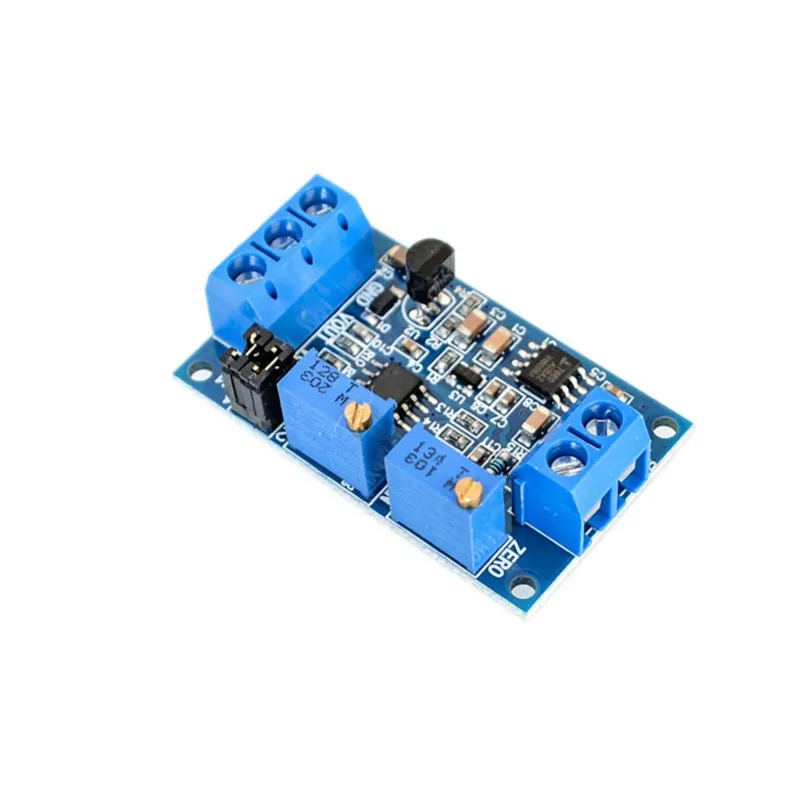
- Adjustability: Both the zero and full-scale values can be finely tuned to ensure precise output, providing customization that meets various operational needs.
- High Stability and Linearity: Designed for industrial-grade applications, this module demonstrates excellent stability and linearity, ensuring consistent performance over time.
- Precision Components: Utilizes high-precision color ring resistors for current signal sampling, which minimizes temperature drift and enhances overall accuracy.
🪶 Setup Instructions:
🏆 To ensure optimal performance, follow these straightforward installation and adjustment steps:
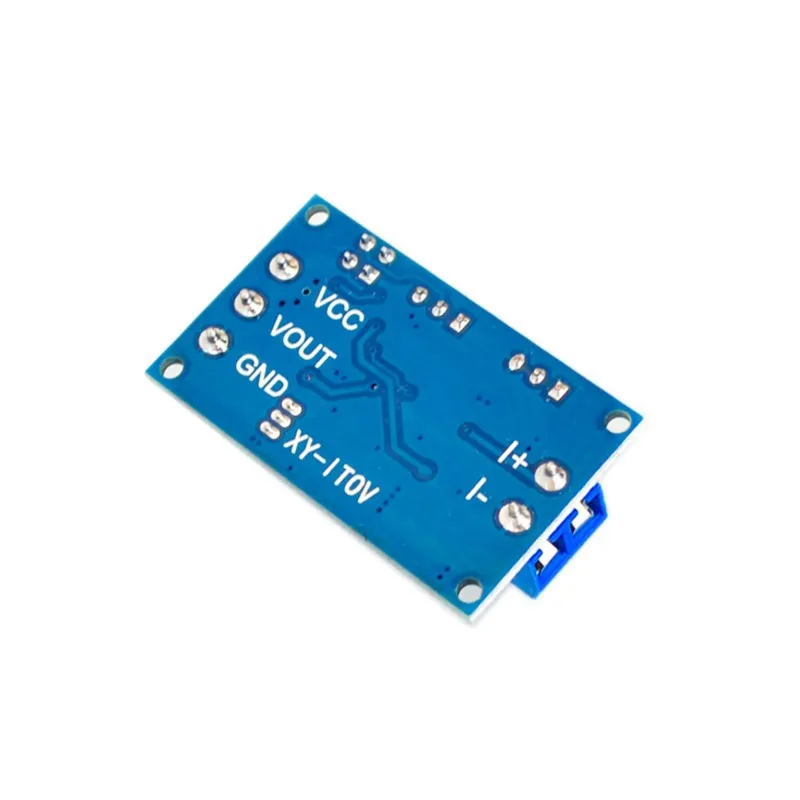
- Connect the module as per its defined connection schematic, ensuring the power supply voltage is between 7-36V (note: if the output needs to reach 10V, the power supply must exceed 12V).
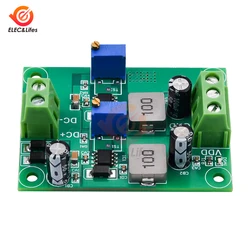
- Power up the module; the D2 indicator should illuminate. If it does not, verify all cable connections for correctness. This module is equipped with reverse connection protection, safeguarding it against damage in case of incorrect wiring.
- For initial setup, when the current input reads low (either 0mA or 4mA), adjust the ZERO potentiometer until the VOUT output reads the desired low voltage (0.0V or an alternate specified voltage).
- Once the low input has been calibrated, input a current value of 20mA and adjust the SPAN potentiometer to set the VOUT output to the required high voltage (3.3V, 5V, or 10V). Note that for a 4-20mA input, the output can be configured to a minimum of 2.5V.
🧩 Range Selection:
🔴 Your application requirements will dictate the output voltage range. To select the preferred output, utilize the jumper cap as follows:
- For 4-20mA input: Configure the range for 0-2.5V by shorting pins 1 and 2, and also shorting pins 3 and 4.
- For a 0-3.3V output: Make sure pins 1 and 2 are disconnected; similarly, ensure pins 3 and 4 are also disconnected.
- For a 0-5.0V output: Short pins 1 and 2 while 3 and 4 should be shorted.
- For a 0-10.0V output: Short pins 1 and 2, ensuring pins 3 and 4 are disconnected.
- For 0-20mA input: Follow the same pin configurations mentioned above for the respective voltage output ranges.
🛠️ This Current to Voltage Module empowers users with the versatility and precision needed for effective signal conversion, making it an invaluable addition to any electronic project or industrial application.