
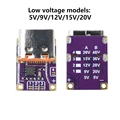
Product Overview:
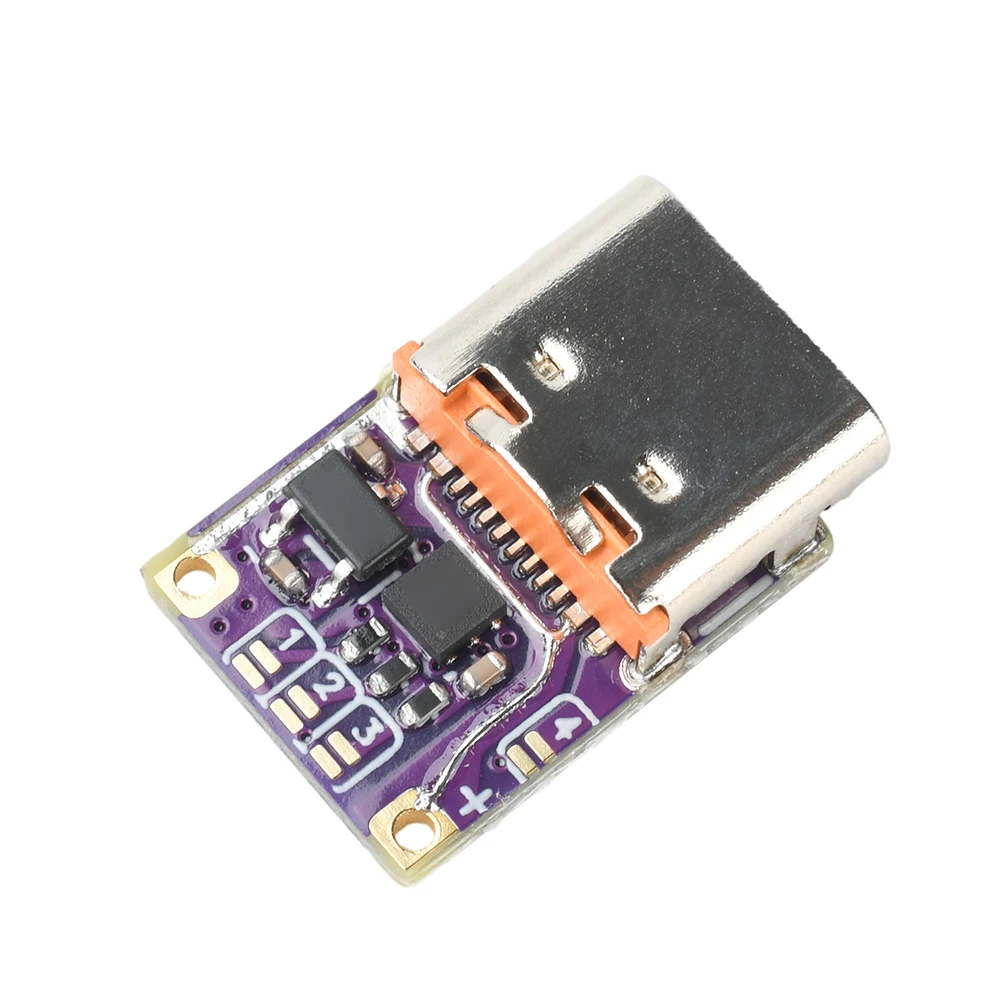
⚡ The PD3.0 PD3.1 QC3.0 Deceiver Fast Charging Module is a cutting-edge device that brings versatility and efficiency to your charging needs. Designed with advanced technology, it supports multiple fast charging protocols and provides a seamless connection for a variety of applications. This module is particularly useful for automotive, energy storage systems, and industrial testing environments.
🔧 Key Features:
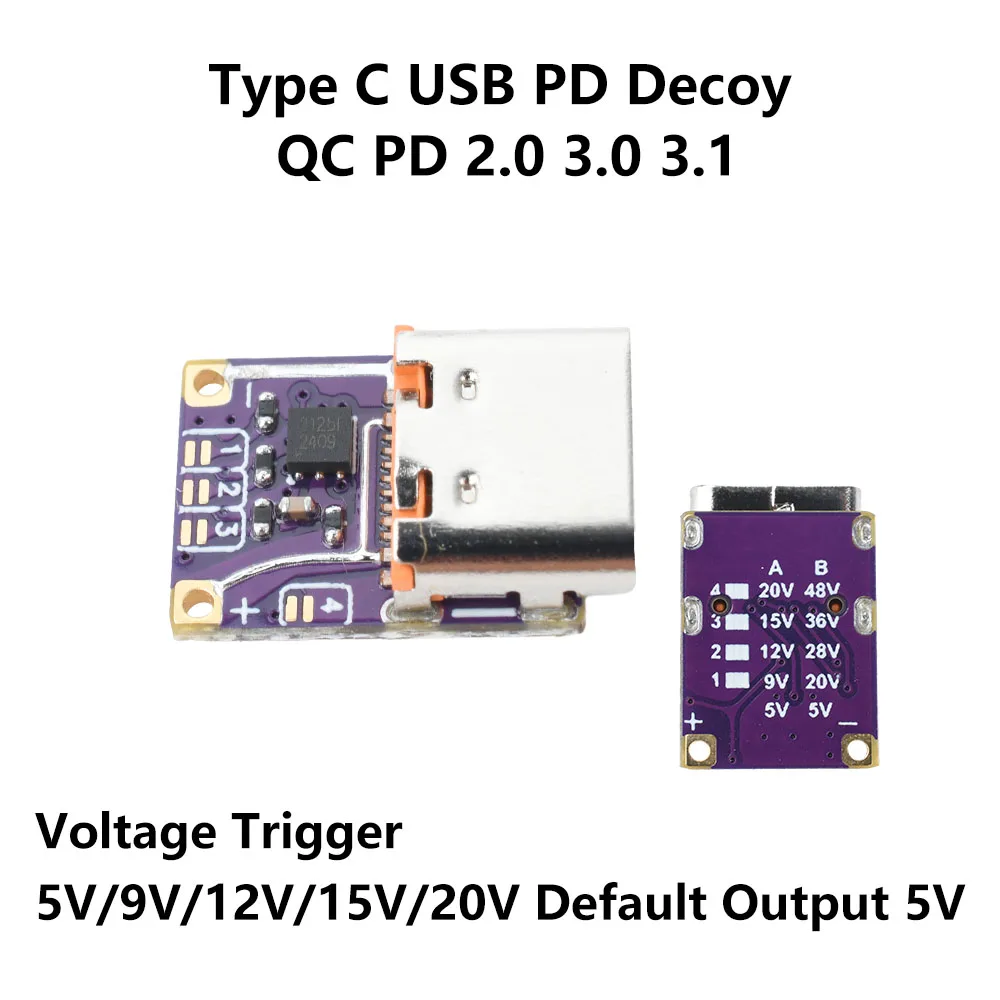
⚡ 1. Multi-Protocol Compatibility: This module intelligently supports and recognizes a range of mainstream fast charging protocols, including PD 2.0, PD 3.0, PD 3.1, QC 2.0, QC 3.0, QC 4, and QC 5, ensuring reliable performance across different devices.
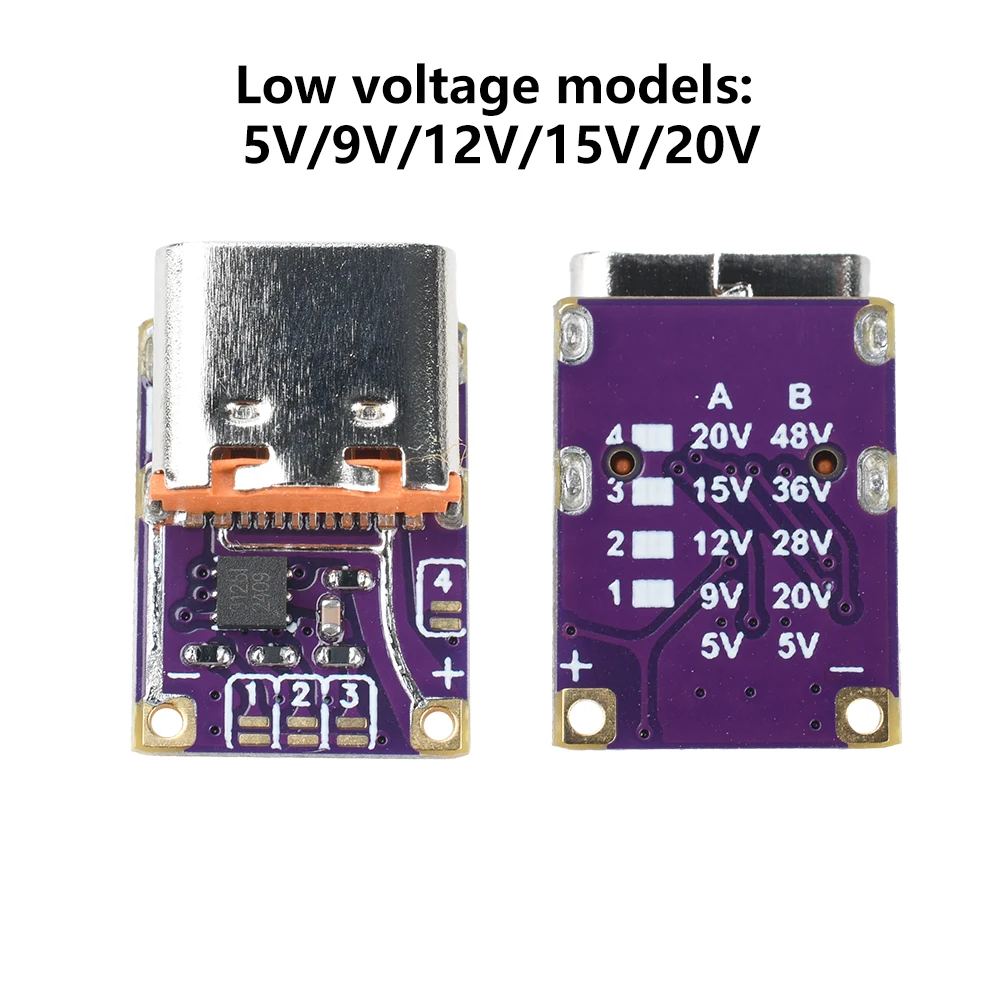
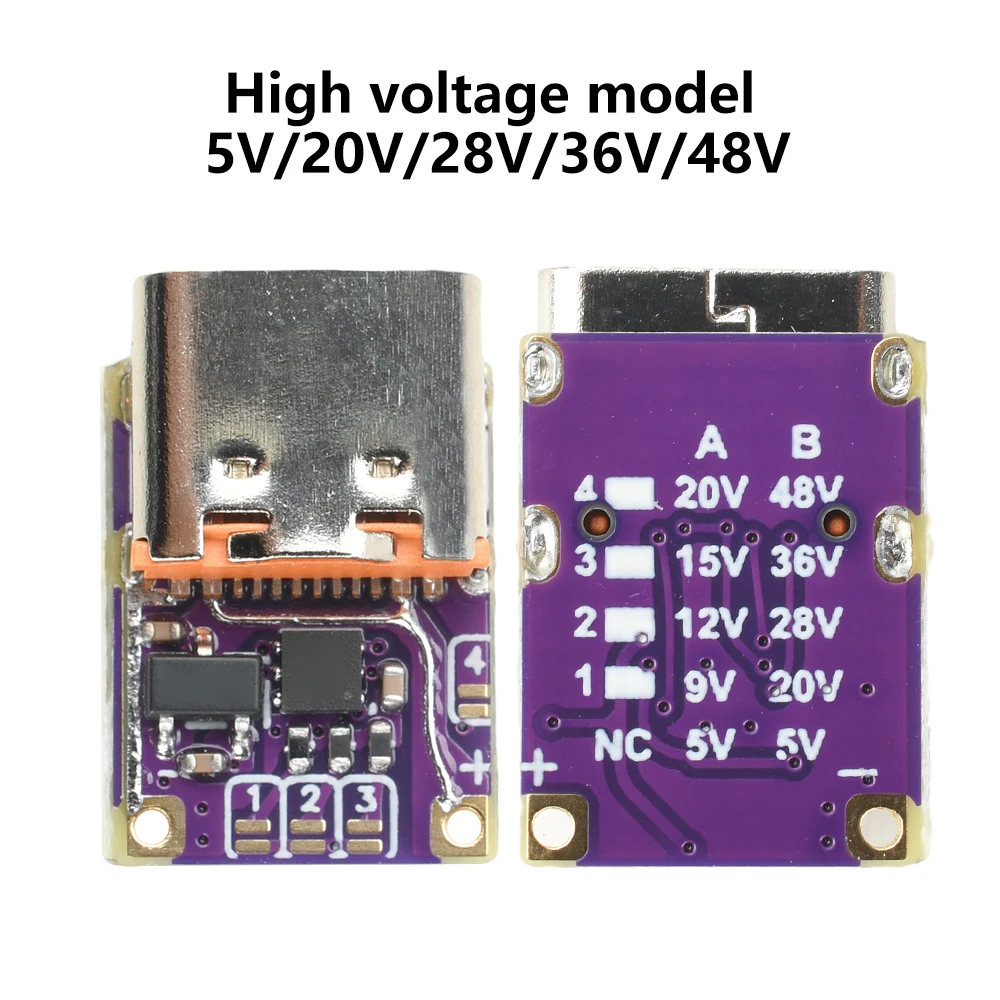
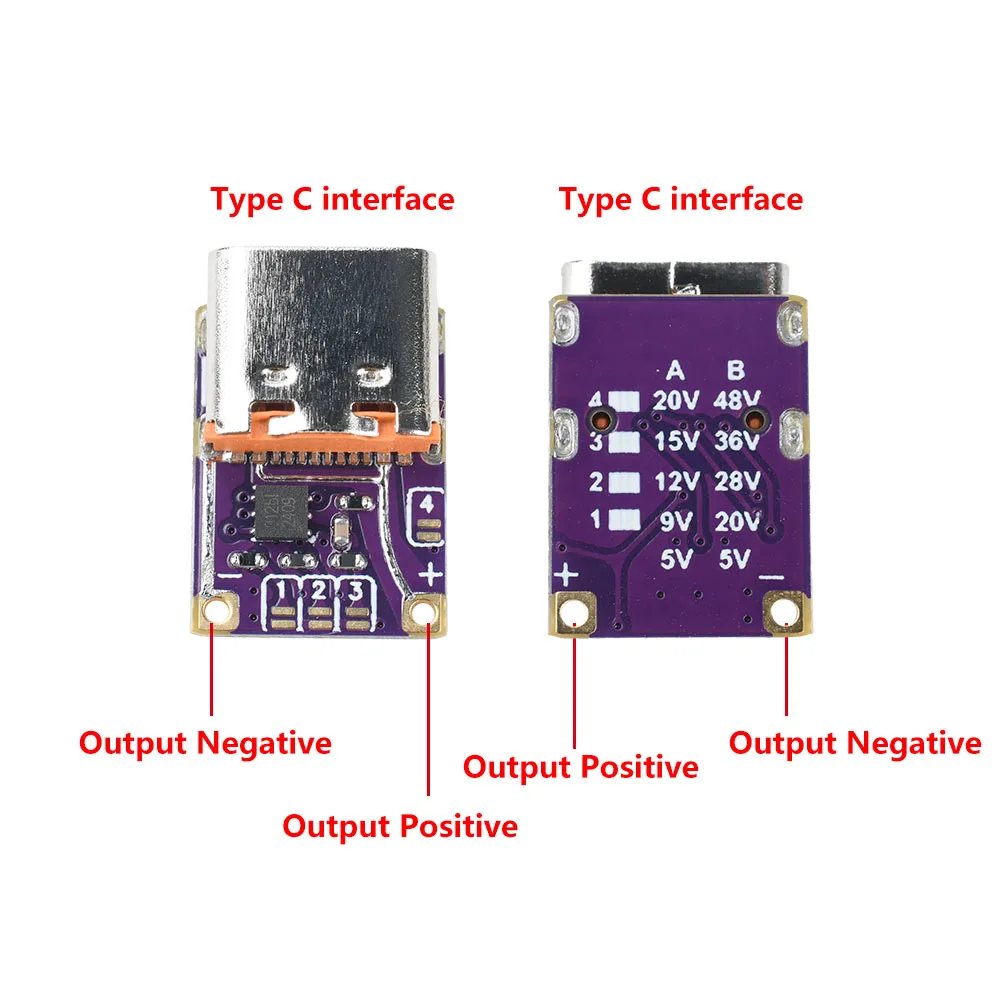
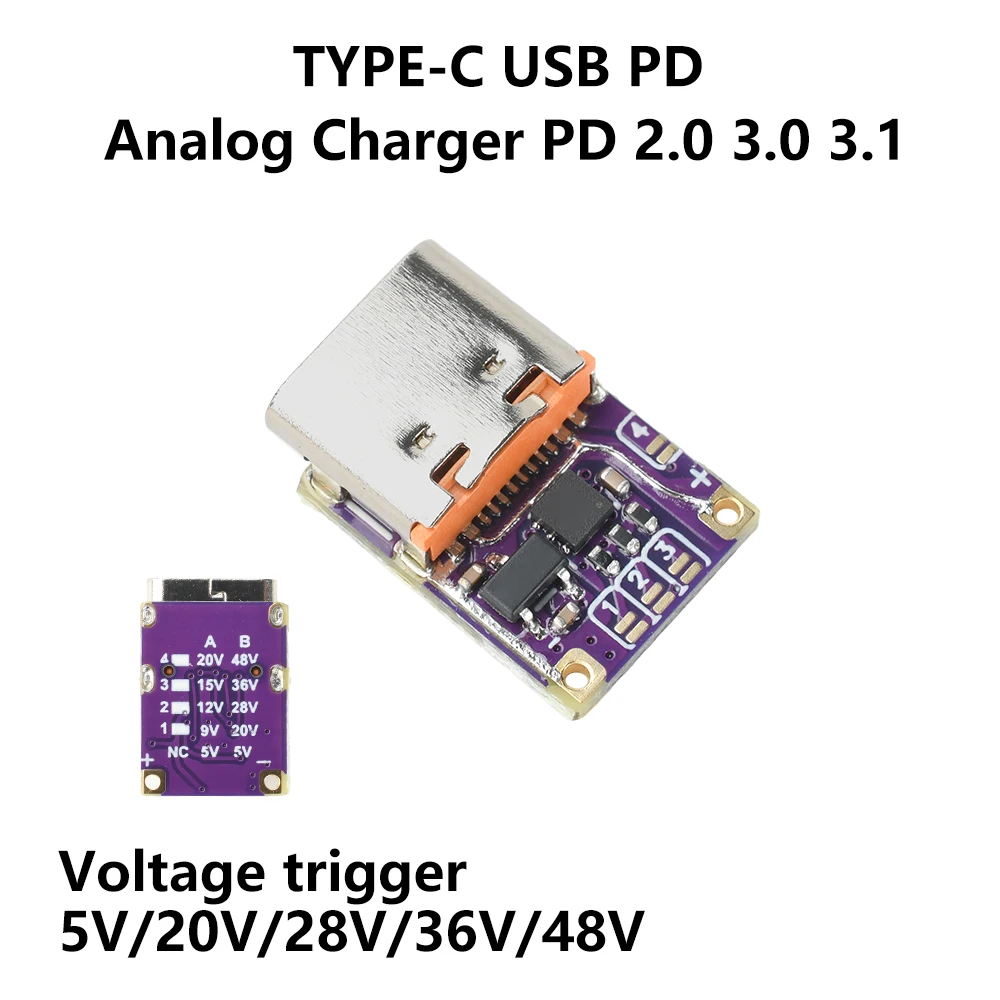
🌀 2. Flexible Voltage Adjustment: Equipped with a Type-C interface and a user-friendly shorting pad, this device allows you to effortlessly switch between output voltages of 5V, 9V, 12V, 15V, 20V, 28V, 36V, and 48V. The default setting is 5V, making it convenient for a wide range of applications.
3. High Current Capacity: With the ability to deliver a maximum current of 5A, this module is ideal for high-demand scenarios. It requires a compatible power supply to optimize energy delivery and ensure efficient operation.
🔋 4. Automatic Handshake Stability: The module features an adaptive protocol priority mechanism that guarantees a stable and efficient handshaking process with charging devices, thereby enhancing the fast charging experience.
🔊 5. Wide Application Scope: This versatile module is perfect for various uses, including wireless charging stations, Bluetooth speaker setups, in-vehicle electronic devices, energy storage solutions, and industrial testing equipment, making it an essential tool for professionals.
Product Specifications:
🔋 Product Name: Fast Charging Module
Interface: Type-C
Output Voltage: - Low-Voltage Model: DC 5V/9V/12V/15V/20V (default 5V, adjustable via shorting pad) - High-Voltage Model: DC 5V/20V/28V/36V/48V (default 5V, adjustable via shorting pads)
Maximum Current: 5A, requires a compatible power supply
Usage Notes:
⚡ It is important to ensure that the selected output voltage aligns with the voltage requirements of the connected devices. For instance, if a 9V output is chosen, the power source must support PD9V or QC9V protocols, and similarly for 20V, it must support PD20V or other relevant specifications.
📦 Package Content:
Module x1